Fotona 4D Laser Facial (TimeWalker) in Encino, CA: What to Know Before You Book
The phrase “laser facial” sounds simple until you start researching what it actually involves. Some treatments are light resurfacing with little downtime. Others are far more aggressive, with peeling, social downtime, and a recovery window that can catch people off guard. Fotona 4D sits in an interesting middle ground. It is designed to tighten, smooth, and refresh the skin by working on multiple tissue levels, often without the kind of dramatic peeling people associate with older resurfacing lasers.
If you are considering a Fotona 4D Laser Facial (TimeWalker) in Encino, CA, the smartest move is to look past the marketing names and understand what the appointment feels like, who tends to benefit most, and where the treatment may fall short. That matters even more in a place like Encino, where cosmetic treatment options are everywhere and menus can make very different procedures sound interchangeable.
What Fotona 4D actually is
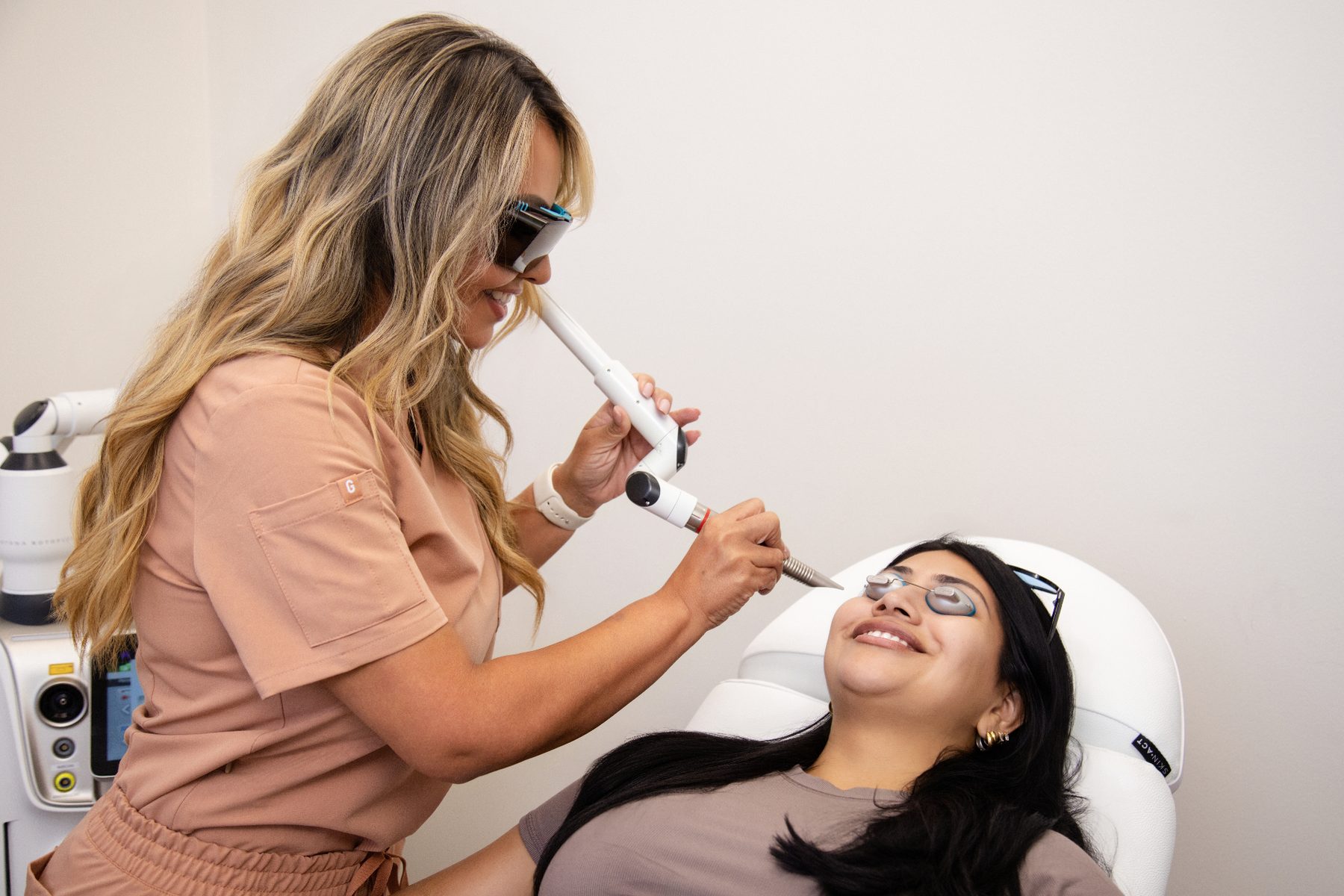
Fotona 4D is not one single laser pass. It Fotona 4D Laser Facial (TimeWalker) Encino, CA OMNIA Wellness Center is a combination treatment that typically uses different modes of the Fotona laser platform to target the skin from more than one angle. Depending on the provider and the exact TimeWalker protocol being used, the treatment may include an intraoral step, where energy is delivered from inside the mouth to heat tissue around the cheeks and nasolabial area, along with external passes that address texture, tone, and tightening.
That “4D” label refers to layered treatment rather than four separate appointments. Think of it as a strategy built around treating deeper support structures and surface quality in the same session. The broad goal is to improve laxity, fine lines, dullness, and early to moderate signs of aging without surgery.
This is one reason the procedure attracts patients who are not ready for a facelift and are not interested in a week or two of obvious downtime. It often appeals to the person in their late thirties, forties, or fifties who feels their face looks a bit tired, softer at the jawline, and less firm around the mouth, but who still wants to look like themselves when they return to work.
Why the TimeWalker name shows up
TimeWalker is a branded treatment approach built around Fotona technology. Providers may use the terms somewhat interchangeably in consultations, which can confuse patients. In practical terms, what matters is not the name on the brochure. What matters is the actual protocol your provider plans to use, how aggressive it will be, and what problem it is meant to solve.
One clinic’s TimeWalker appointment may lean more toward gentle rejuvenation before an event. Another may build a more assertive anti-aging series with stronger tightening and more visible redness afterward. A good consultation should break down exactly what settings or treatment steps are being considered for your skin.
If a practice cannot explain the difference between a maintenance glow treatment and a more substantial collagen-stimulating session, that is worth noting.
What concerns it is best suited for
Fotona 4D tends to perform best when expectations are realistic. It can be a very solid option for early laxity, crepey texture, mild to moderate fine lines, uneven tone, and a general loss of brightness. Around the mouth, some patients also like it because of the inside-the-mouth component, which can target tissue in a way most facials and many energy-based treatments do not.
Where people get disappointed is when they expect it to behave like surgery, filler, or a more aggressive resurfacing laser all at once. It does not replace a facelift. It does not create cheek volume where volume loss is the main issue. It does not erase deep etched lines in one pass. It can improve those things to a degree, but improvement and replacement are very different categories.
This distinction comes up often with patients who are bothered by jowling. If the tissue descent is mild, Fotona 4D may give a firmer look. If the jowls are substantial, the treatment may soften the area a bit but will not reposition tissue the way surgery can. The same goes for under-eye hollowness. Laser can improve skin quality there, but it cannot fill a hollow orbital rim.
Who tends to be a strong candidate
The sweet spot is usually someone with mild to moderate skin laxity who wants visible improvement with a lower downtime burden than ablative resurfacing. Many patients with busy work schedules fall into this group. So do people who have never had laser treatment before and want something more meaningful than a spa facial but less intimidating than a fully ablative procedure.
Skin type matters. Medical history matters. Recent sun exposure matters. So do medications, acne activity, melasma tendencies, and whether you scar easily or develop post-inflammatory hyperpigmentation. This is one of those treatments that benefits from thoughtful customization. The best laser practitioners do not simply say, “everyone gets the same package.”
A strong candidate usually has three things going for them: realistic expectations, enough skin quality to respond well to collagen stimulation, and the patience to understand that collagen remodeling is gradual. You may look a bit fresher fairly quickly, but the full tightening effect tends to emerge over time rather than overnight.
What the appointment usually feels like
People often assume laser treatments are either painless or unbearable. Fotona 4D Laser Facial (TimeWalker) Encino, CA Most fall somewhere in between, and Fotona 4D is no exception. The sensation depends on the step being performed. The intraoral portion can feel unusual more than painful, with heat and pressure inside the cheeks. External passes often feel warm, prickly, or snappy. Some providers use topical numbing for certain parts, while others rely on cooling and technique.
A full treatment session is not usually the kind of appointment you squeeze into a rushed lunch break unless it is a very light version. Even when the actual laser time is efficient, check-in, photography, numbing if used, post-care instructions, and settling the skin afterward all add time.
Immediately after treatment, many patients look flushed, as if they had spent time in the sun or finished a hard workout. Some swelling, especially around the midface, is not unusual. Depending on how aggressive the session is, the skin may feel warm and tight later that day. For some, that resolves quickly. For others, particularly if a resurfacing component was stronger, recovery can take several days.
The downtime question everyone asks
Downtime is one of the biggest reasons people look into Fotona 4D in the first place. The truthful answer is that downtime varies. That may sound evasive, but it is simply how laser medicine works. A lighter treatment can leave you pink for a day or two. A stronger session may lead to several days of redness, mild swelling, rough texture, or a bronzed look before the skin settles.
This is why “no downtime” should always raise an eyebrow. In experienced hands, Fotona 4D is often described as low downtime or manageable downtime. That is different from none. If you have a major event, photos, or a work presentation, it is wise to avoid booking too close to the date.
I usually tell people to think in terms of social comfort rather than medical recovery. You may be medically fine almost immediately, but that does not mean you will want to walk into a dinner party the same evening looking red and puffy. For some patients, the answer is yes. For others, absolutely not.
What results typically look like, and when
The first thing many patients notice is a fresher surface. Skin can look a bit smoother, cleaner, and more reflective after the initial healing phase. The second layer of change, tightening and firmness, is slower. Collagen remodeling does not happen on command, and it rarely announces itself dramatically on day three.
Some people notice early improvement within a week or two, especially in tone and texture. The firmer, more refined effect often builds over the following weeks and months. Many providers recommend a series rather than a single session, particularly if the goal is structural improvement rather than a one-time refresh.
This is where expectations matter again. The result is often described best as polished, not transformed. Friends may say you look rested. Your makeup may sit better. Your lower face may look a bit tighter in photos. Those are meaningful outcomes, but they are not the same as major lifting.
Questions worth asking at the consultation
A good consultation should feel specific to your face, not like a script. If the provider immediately promises dramatic lifting without examining skin laxity, facial volume, and texture separately, that is a problem. Laser treatments are nuanced, and the recommendation should reflect that.
These are the most useful questions to ask before booking:
- What exact concerns on my face are you treating with Fotona 4D, and which concerns are unlikely to improve much?
- How many sessions do you typically recommend for someone with my degree of laxity or texture change?
- What should I realistically expect in the first week, and what will continue improving over the next two to three months?
- What does aftercare involve, especially regarding sun exposure, skincare products, and exercise?
- If I am not the best candidate, what treatment would you recommend instead?
Those questions tend to separate a strong laser consultation from a sales conversation. The answers should be direct, not vague.
How it compares with other popular options in Encino
Encino patients usually have no shortage of alternatives. Microneedling with radiofrequency, IPL, fractional resurfacing, ultrasound tightening, injectables, and traditional facials all compete for attention. The challenge is that these categories solve different problems.
Fotona 4D sits in a useful middle lane because it can address both superficial and deeper concerns in a single treatment strategy. Compared with a standard facial, it is substantially more therapeutic. Compared with a more aggressive ablative laser, it is often easier to recover from. Compared with filler, it improves tissue quality rather than replacing lost volume. Compared with surgery, it is much less invasive but also less powerful.
That trade-off matters. There is no universal “best” treatment, only a best fit for a particular face and set of goals. The forty-two-year-old with early cheek descent, good skin quality, and no interest in injectables may be thrilled with a series of Fotona 4D sessions. The fifty-eight-year-old with marked jowls and neck laxity may see some improvement but still feel underwhelmed if they were hoping for a surgical-level change.
Skin tone, pigmentation, and caution areas
One area where careful judgment matters is pigment. Any energy-based treatment can create issues if the skin is not prepared properly or if settings are not well chosen. That does not mean darker skin tones cannot be treated, but it does mean provider experience is especially important. The risk profile changes based on skin type, tanning, recent sun exposure, and underlying conditions like melasma.
Patients with active melasma need a thoughtful conversation before any heat-based treatment. Sometimes laser is still appropriate. Sometimes it needs a modified plan. Sometimes another approach is smarter. Anyone who tells every patient that one laser is right for all skin concerns is simplifying a field that should not be simplified.
Cold sores are another detail people forget to mention. If you have a history of oral herpes and the treatment includes work around the mouth, your provider may want to take precautions. This is a small detail that matters a lot.
How to prepare without overcomplicating it
Preparation does not need to be elaborate, but it does need to be disciplined. A fresh tan and laser are a bad combination. Irritated skin and laser are also a bad combination. So are harsh active products right before treatment if your provider has told you to stop them.
The basics usually look like this:
- protect your skin from sun exposure in the days and weeks leading up to treatment
- pause any products your provider flags, often including stronger retinoids or exfoliating acids
- arrive with clean skin unless the office gives different instructions
- mention any recent procedures, breakouts, or medication changes before the laser starts
- plan your schedule so you are not stressed about visible redness afterward
That last point gets overlooked. People book aesthetic appointments as if they are manicures, then become anxious when normal post-laser redness shows up at the exact wrong moment.
What aftercare tends to involve
Aftercare is usually straightforward, but it matters. Most patients need gentle cleansing, simple hydration, and careful sun protection. Heat exposure can be an issue right after treatment, so intense exercise, hot yoga, saunas, and very hot showers may need to wait, depending on the protocol used. The skin barrier may feel temporarily more reactive, which is not the time to experiment with new acids or a drawer full of actives.
I often find that the patients who sail through recovery are not the ones who buy the most expensive products. They are the ones who leave the skin alone, follow instructions, and respect the healing period. Overhandling freshly treated skin creates more trouble than underhandling it.
Makeup timing varies. Some people can wear it relatively soon. Others are better off waiting, especially if the skin is warm, sensitized, or a bit rough. This is another detail to clarify before the appointment rather than after you are standing in front of the mirror with somewhere to be.
Cost, value, and the real pricing question
Pricing for a Fotona 4D Laser Facial (TimeWalker) in Encino, CA can vary significantly based on the provider’s experience, the treatment depth, whether you are paying per session or as part of a series, and what exactly is bundled into the visit. The cheapest advertised number rarely tells the full story.
The better question is not “what is the lowest price?” It is “what am I actually getting?” A thoughtful consultation, physician oversight where appropriate, customized settings, accurate photography, and clear follow-up all add value. So does honest patient selection. A bargain treatment that is poorly indicated or badly performed is expensive in the long run.
If you are comparing practices, look beyond the menu price. Ask how long the appointment is, whether the plan includes one session or a series, what downtime to expect, and how results are evaluated. Many frustrations in aesthetics come from mismatched assumptions, not bad technology.
Red flags that should make you slow down
Laser treatments deserve the same level of discernment you would use for any medical aesthetic procedure. If the office is vague about who performs the treatment, glosses over downtime, or promises results that sound suspiciously like surgery, pause. The same goes for consultations that skip medical history or do not examine your skin carefully in good light.
One subtle red flag is when every concern gets folded into one answer. Texture, redness, volume loss, laxity, and pigment are not the same problem. If a provider treats them as though they are all solved by the same setting on the same day, that should make you ask more questions.
Another is pressure. Good aesthetic medicine allows room to think. You should not feel rushed into prepaying for a large package before you understand what you are agreeing to.
Is it worth booking?
For the right patient, yes. Fotona 4D can be a well-balanced option for someone who wants meaningful rejuvenation without stepping into a more aggressive recovery process. It is particularly appealing for patients who care about firmness, texture, and that hard-to-define rested look, and who understand that the best results are usually cumulative rather than instant.
The key is fit. If you want subtle tightening, refinement, and collagen support, this treatment may be a strong match. If you want major lifting, deep resurfacing, or volume restoration, you may need a different plan or a combination approach. The best outcomes come from clarity, both yours and your provider’s.
Encino offers plenty of aesthetic choices, which is both a luxury and a challenge. The treatment itself matters, but the judgment behind it matters more. A careful consultation, realistic expectations, and a provider who can explain not just what Fotona 4D can do, but what it cannot, will tell you far more than any glossy before-and-after gallery.
OMNIA Wellness Center
16430 Ventura Blvd Ste 207, Encino, CA 91436
Phone: +1 818-386-8511
FAQ About Fotona 4D Laser Facial (TimeWalker) Encino, CA
What is a Fotona laser good for?
Fotona lasers support several different aesthetic protocols. The Fotona 4D facial uses two wavelengths and four treatment modes to address concerns such as fine lines, skin texture, and mild laxity. OMNIA Wellness Center offers the TimeWalker facial with an individual consultation. Suitability and likely improvement depend on the person's skin and goals; results are not guaranteed, and this treatment does not reproduce a surgical facelift.
How much does a Fotona laser treatment cost?
The cost depends on the treatment protocol, areas treated, number of sessions, and provider's assessment. Ask OMNIA Wellness Center for a current written quote that explains what is included, whether follow-up is included, and any proposed package terms. An individualized estimate is more useful than assuming that one advertised price applies to every facial treatment.
How much downtime is there after a Fotona laser procedure?
Recovery varies with the specific protocol and intensity. Fotona describes its 4D facial as having little to no downtime, but temporary redness or sensitivity can occur, and a stronger surface treatment can require more recovery. Ask the treating clinician what to expect from the planned settings, how to care for the skin afterward, and when to contact the clinic with concerns.